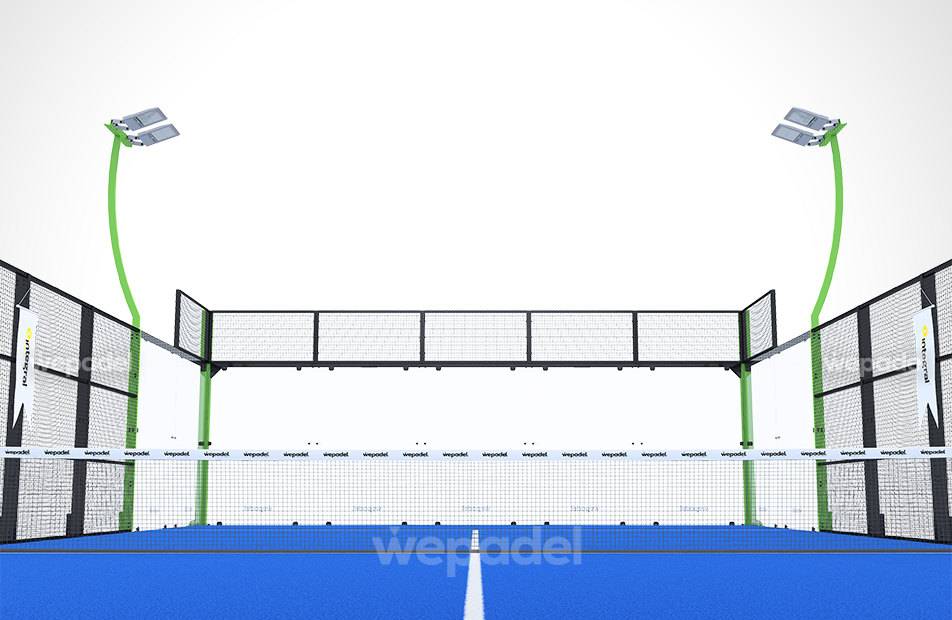
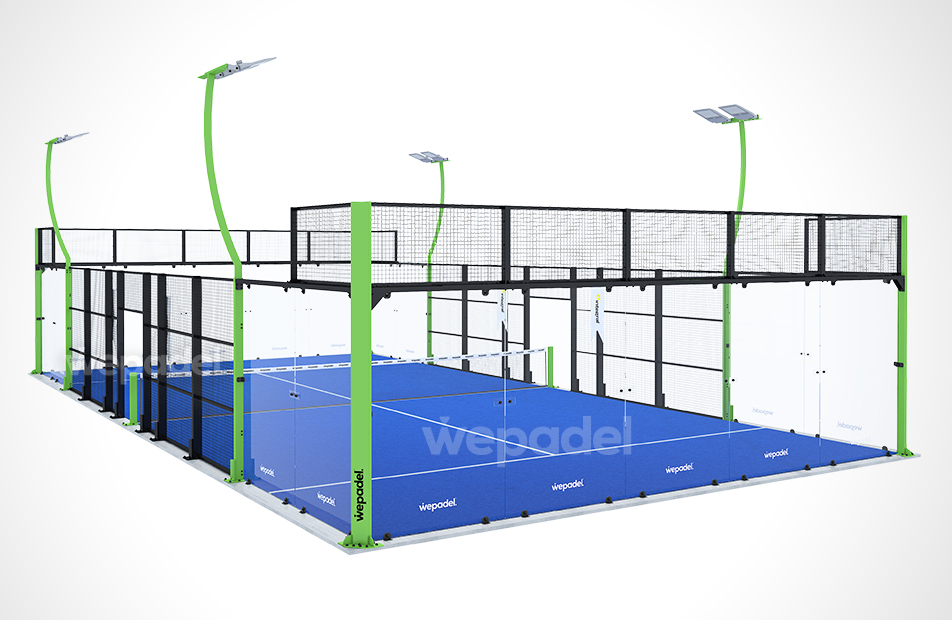
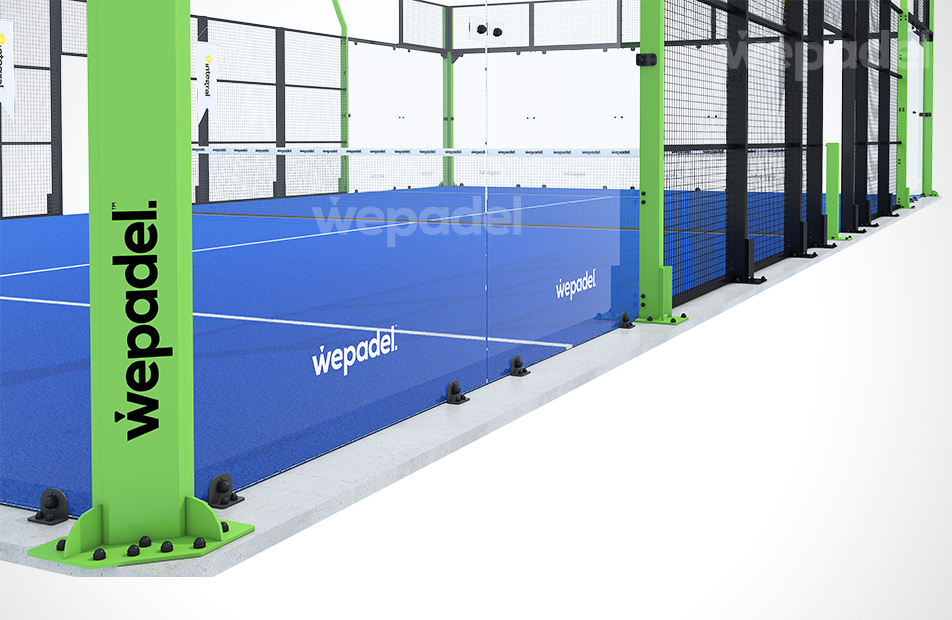
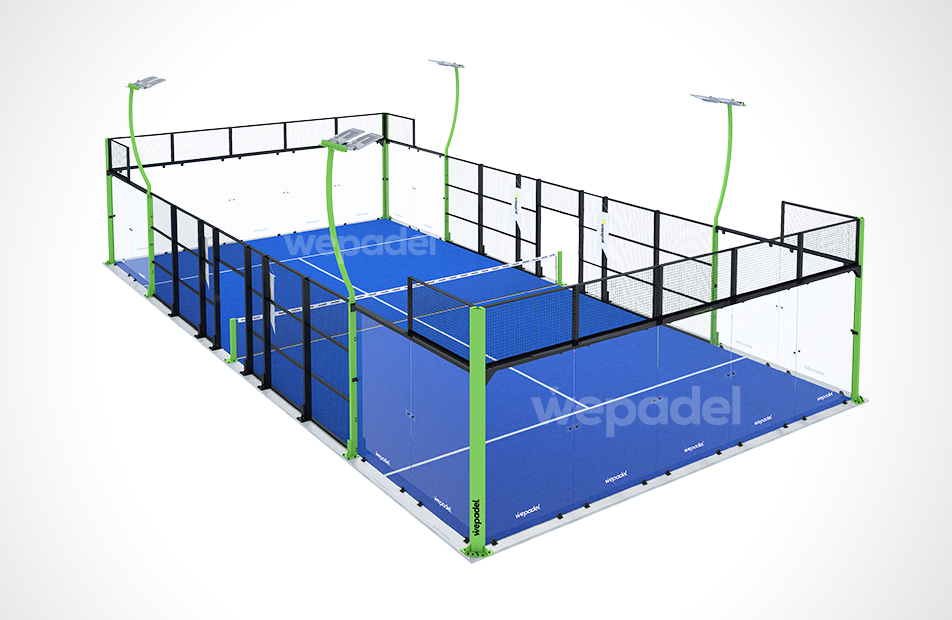
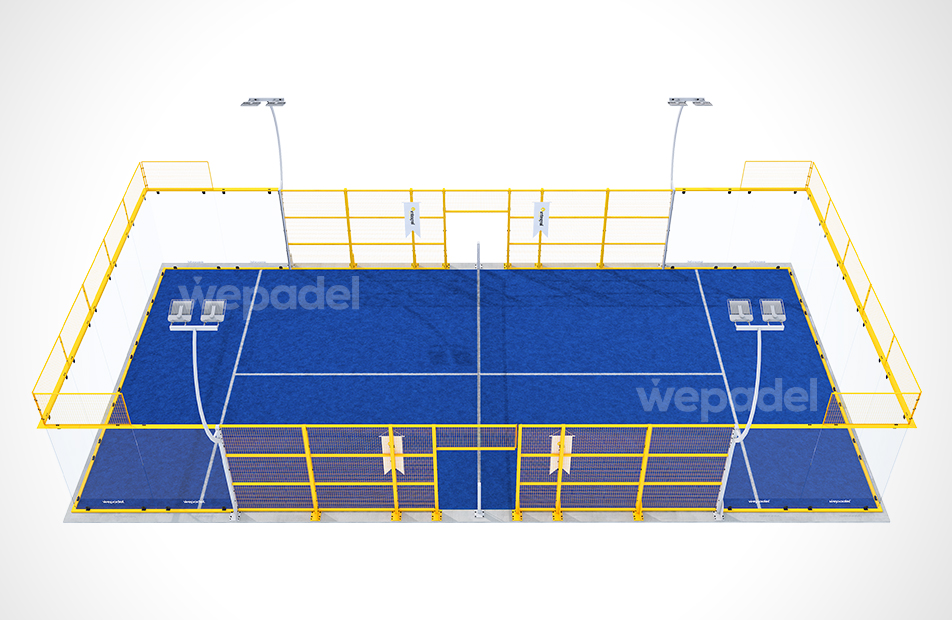
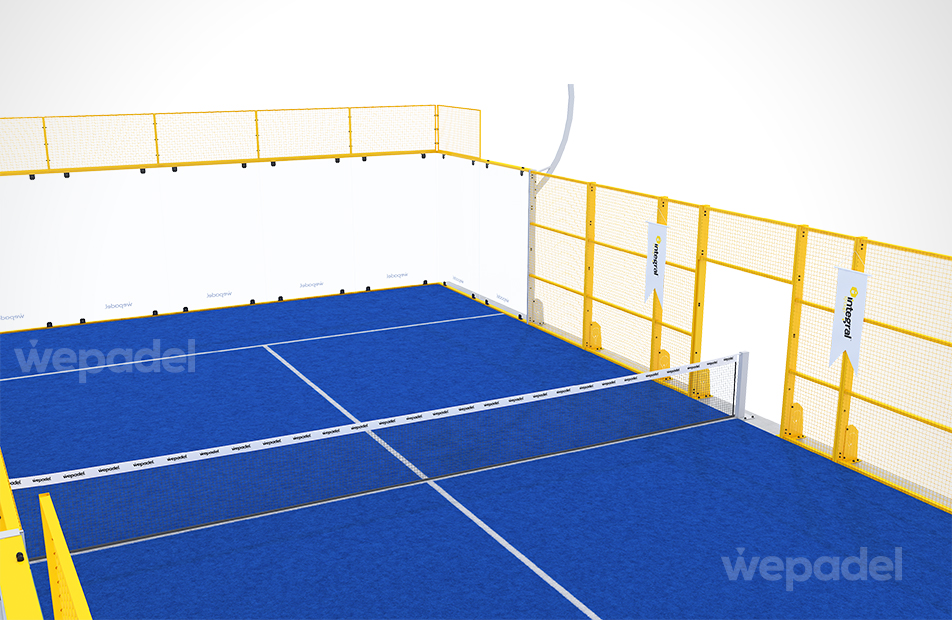
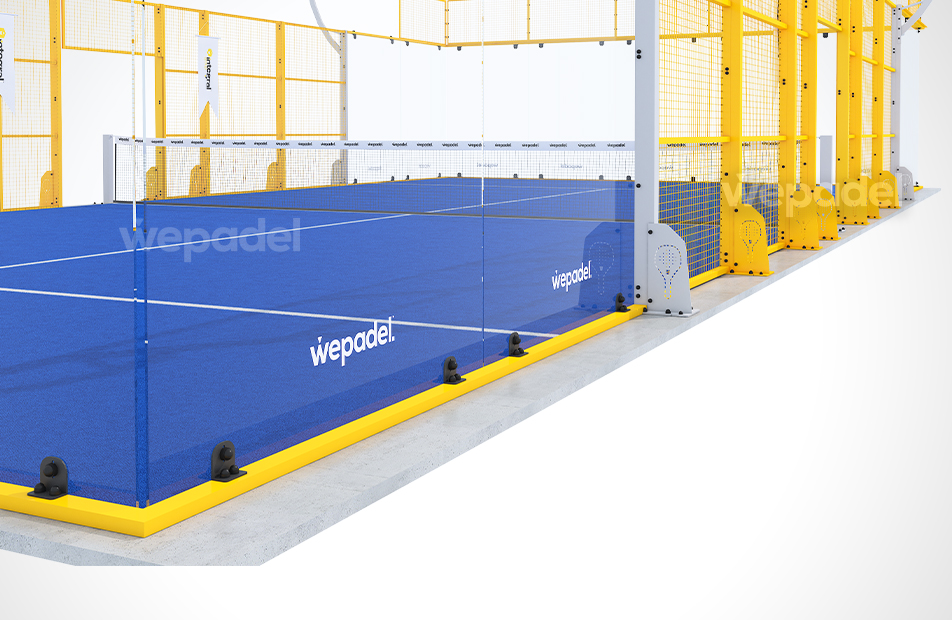
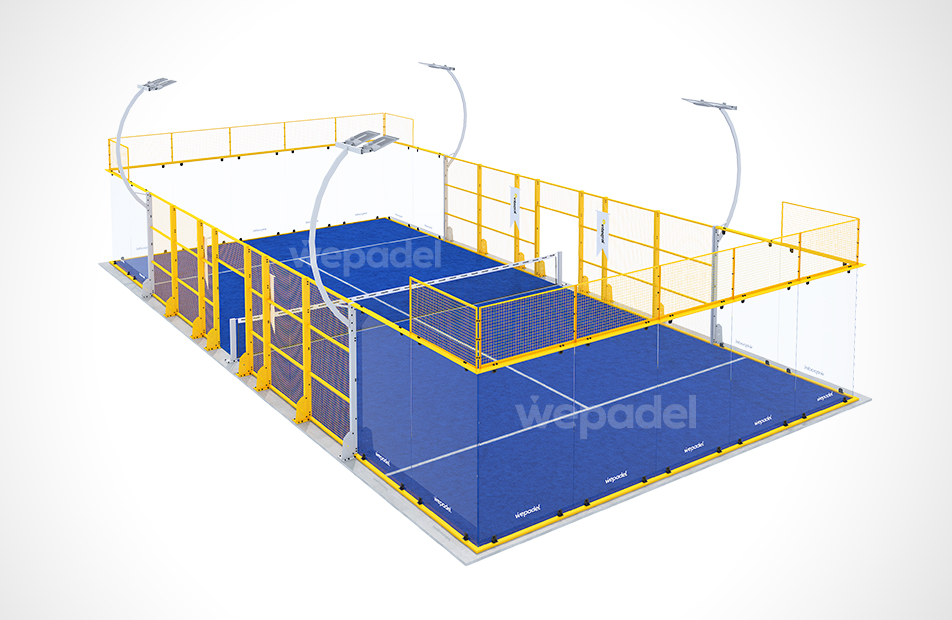
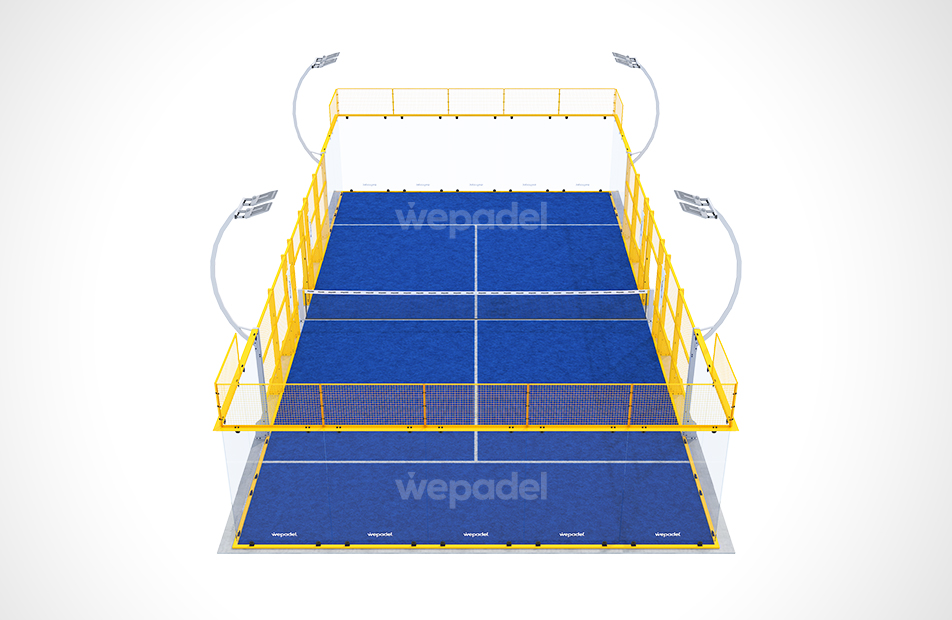
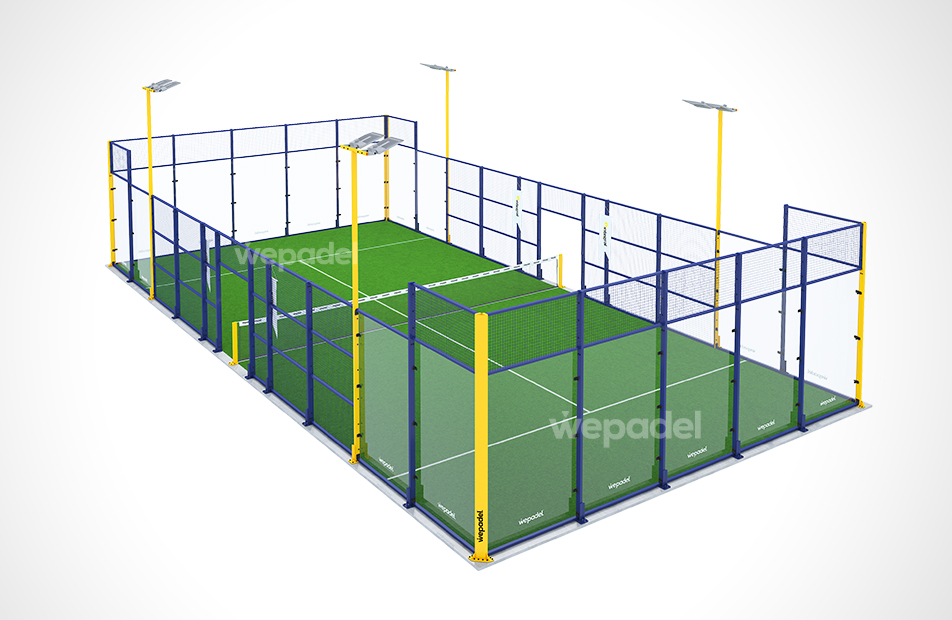
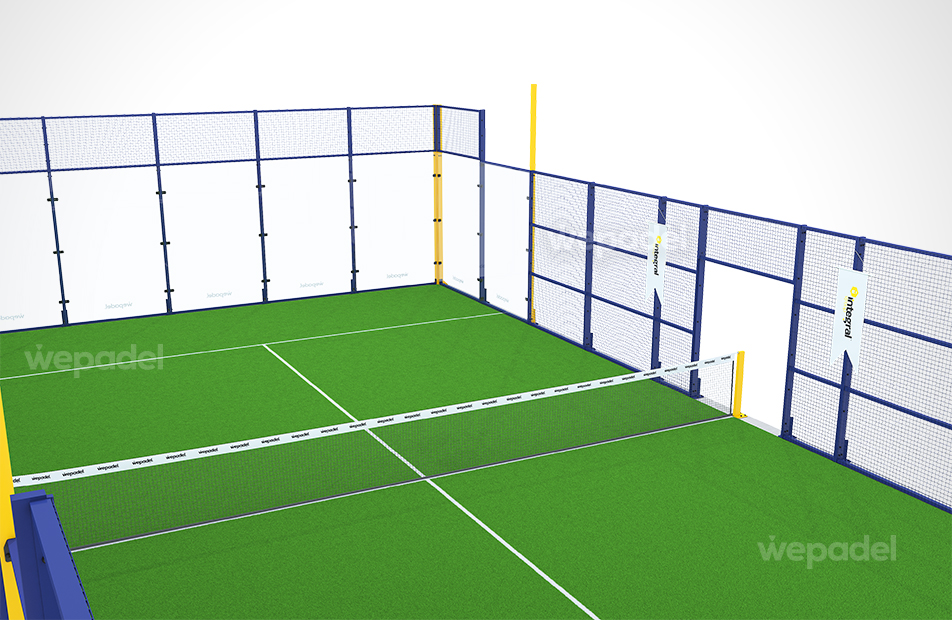
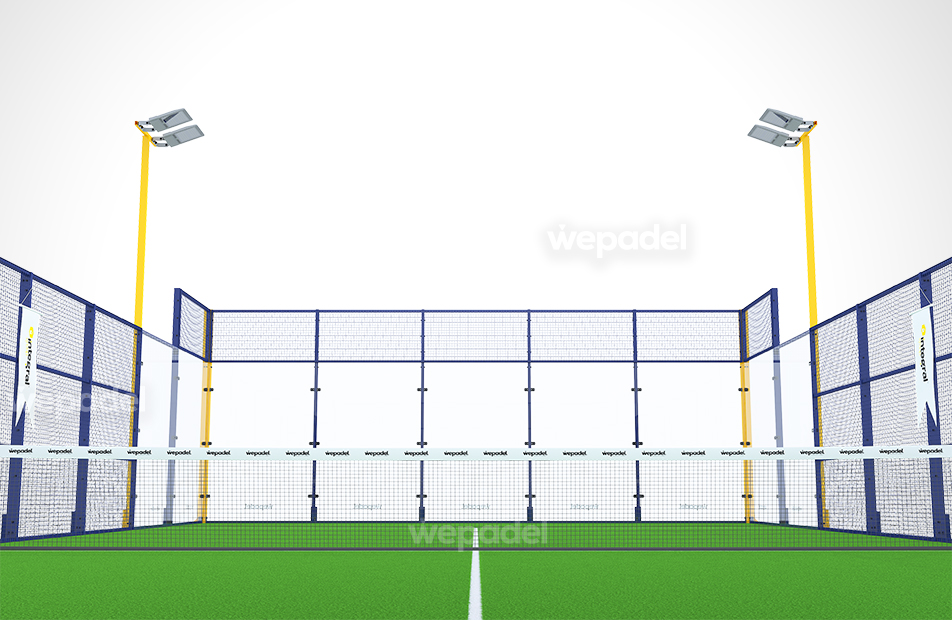
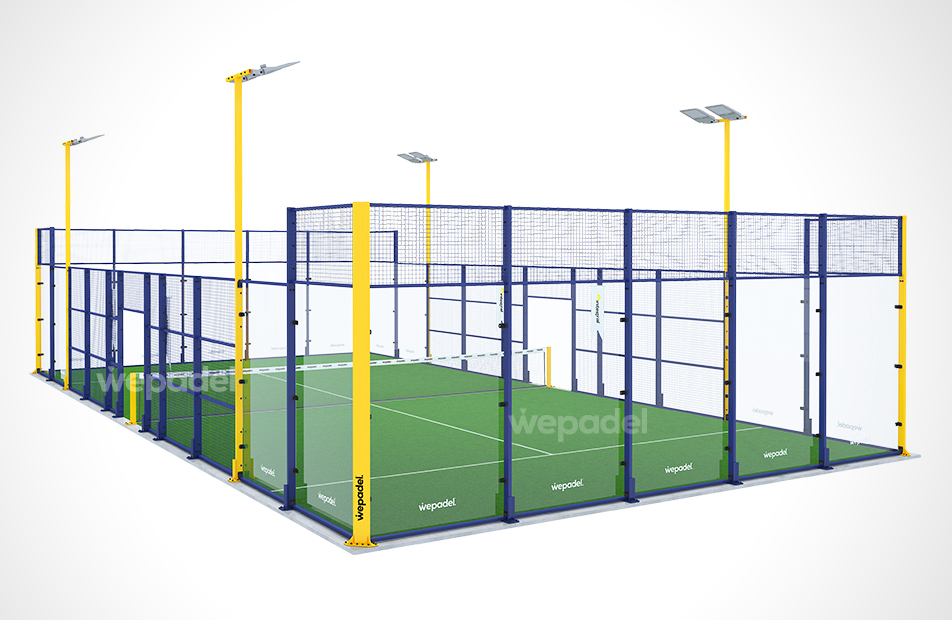
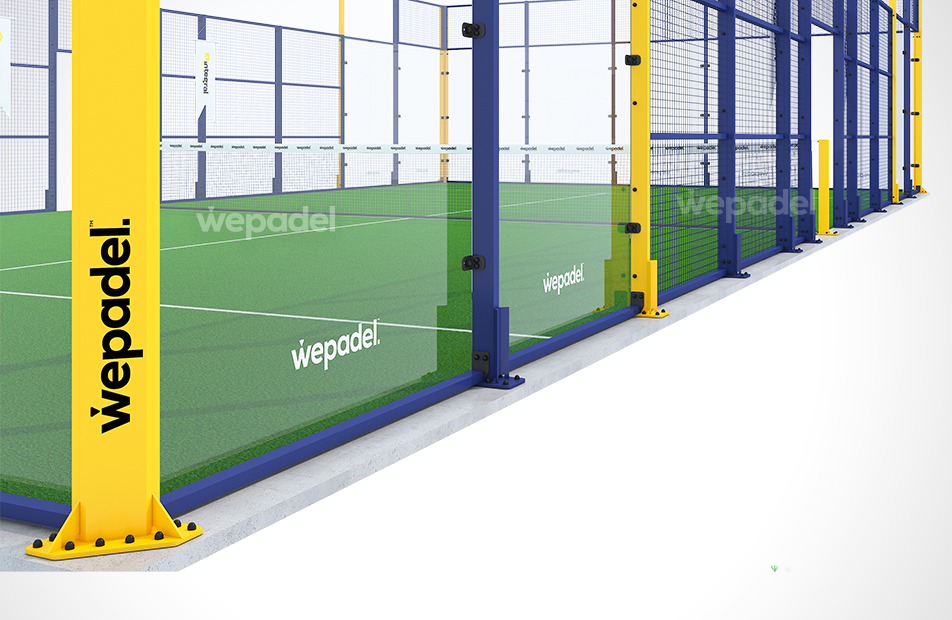
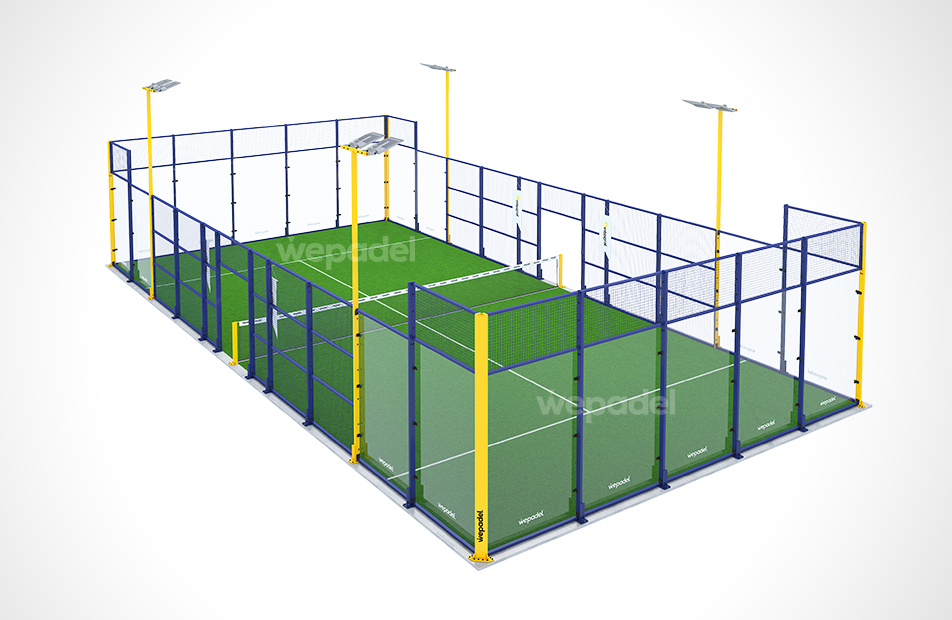
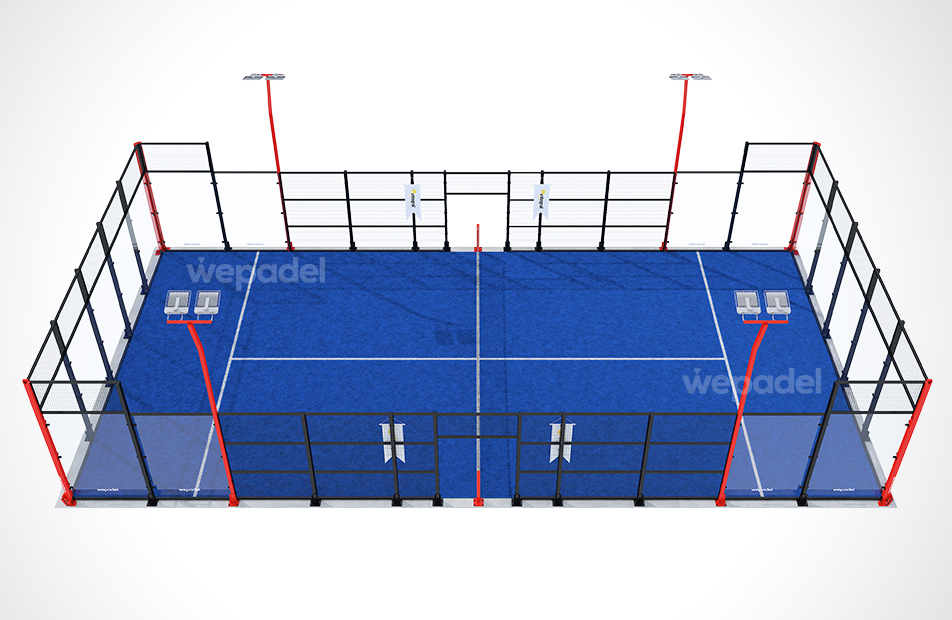
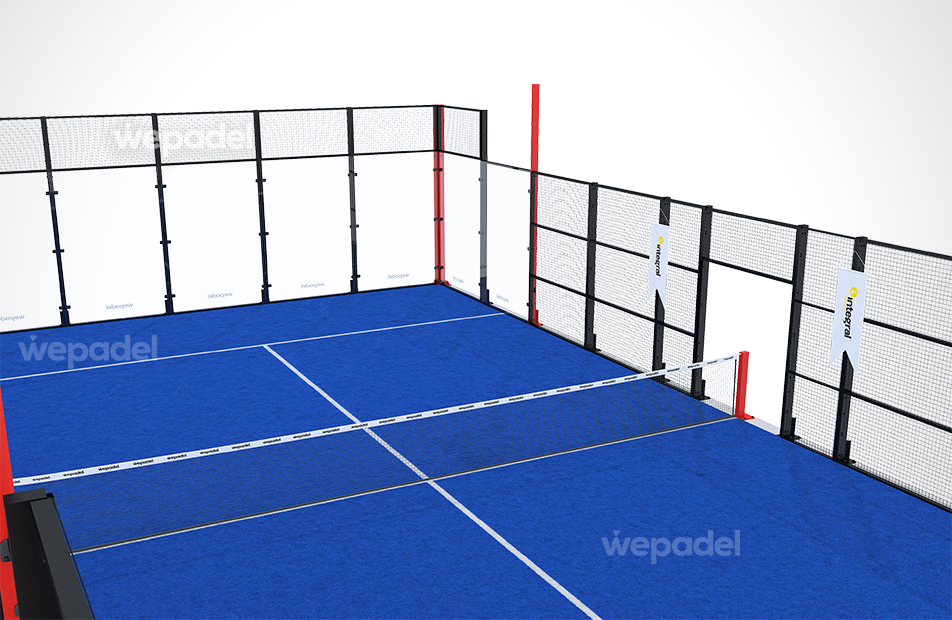
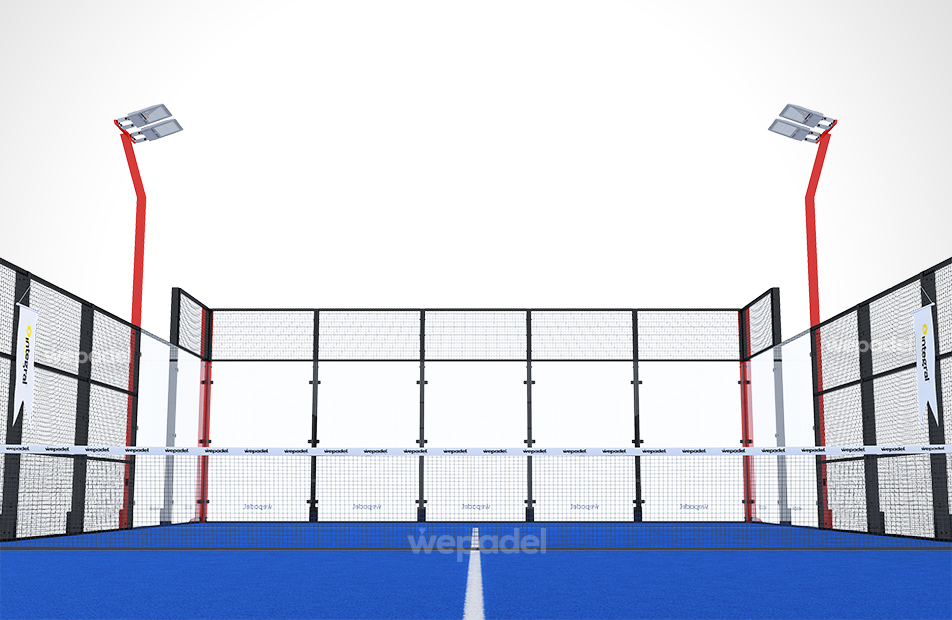
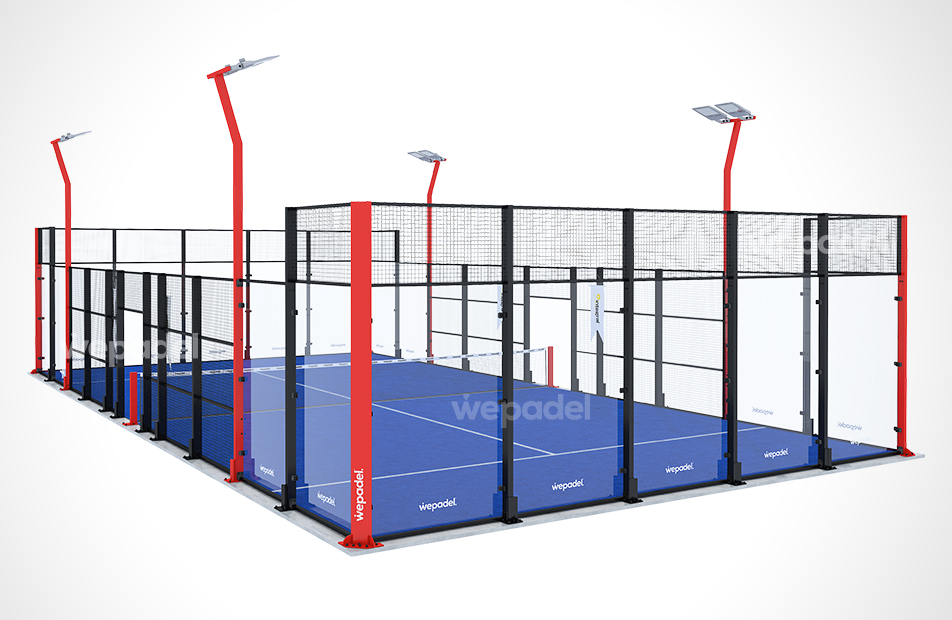
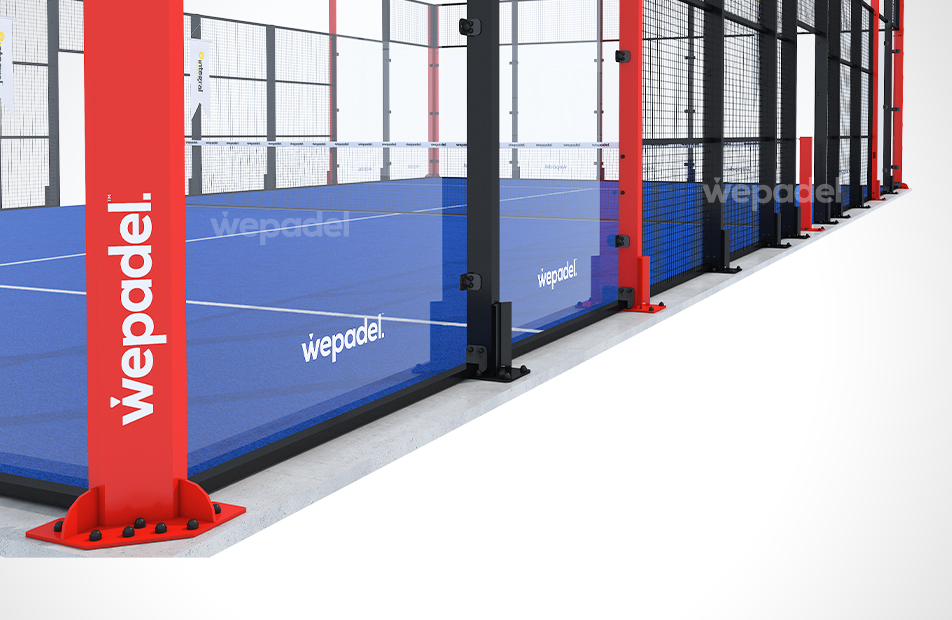
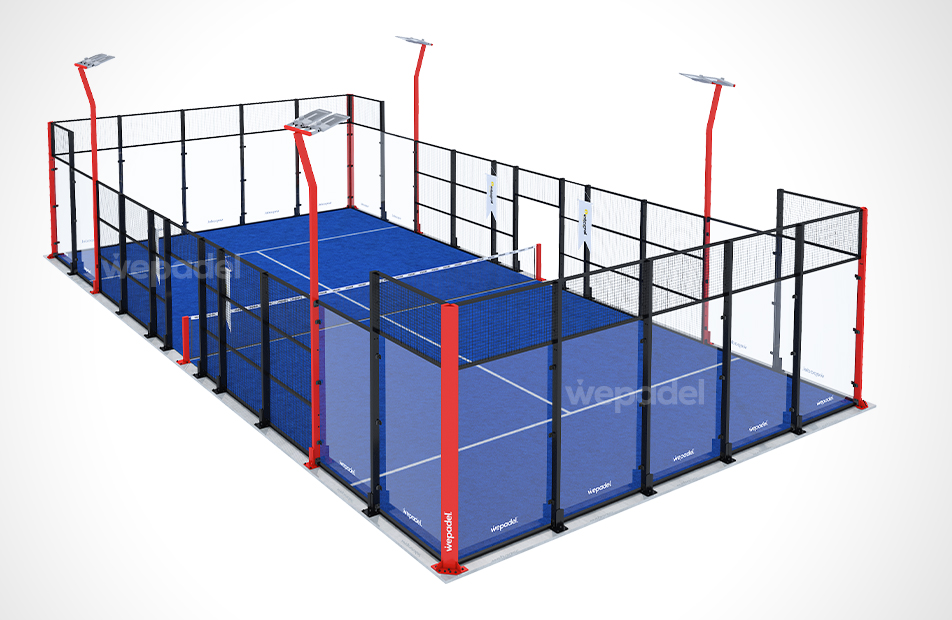
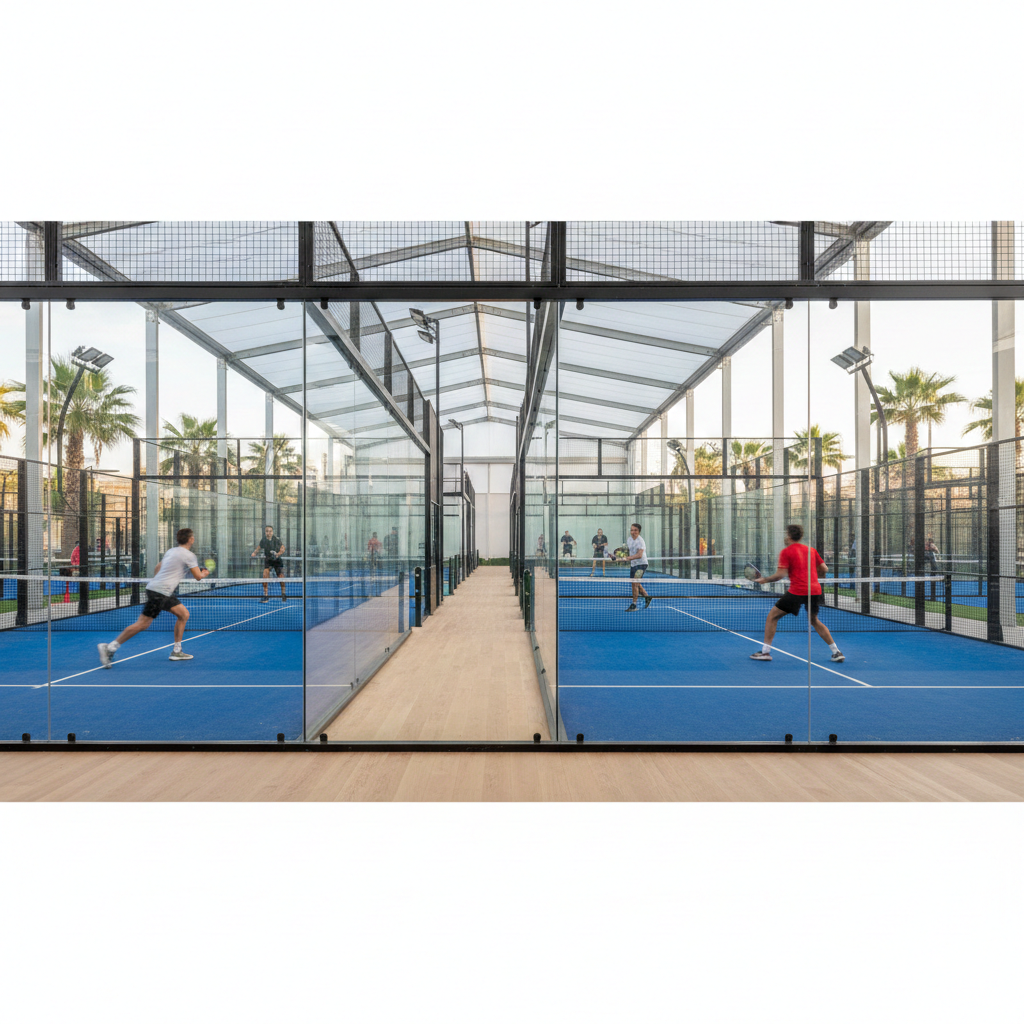
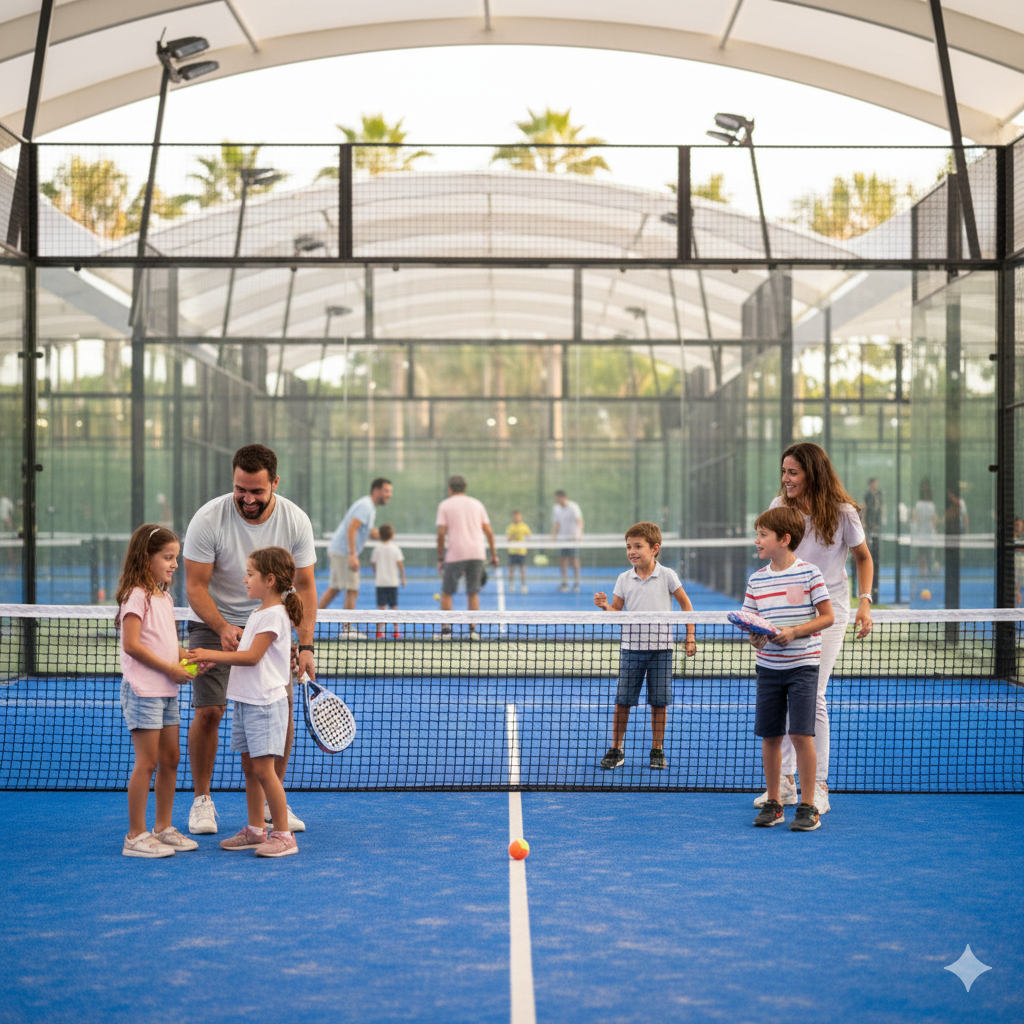
Turn your tennis club or leisure space into a thriving padel destination with our padel court installation and revenue-sharing model.
01
Lease & Share Model
No upfront costs – we install premium padel courts and split the revenue, creating a win-win partnership.
02
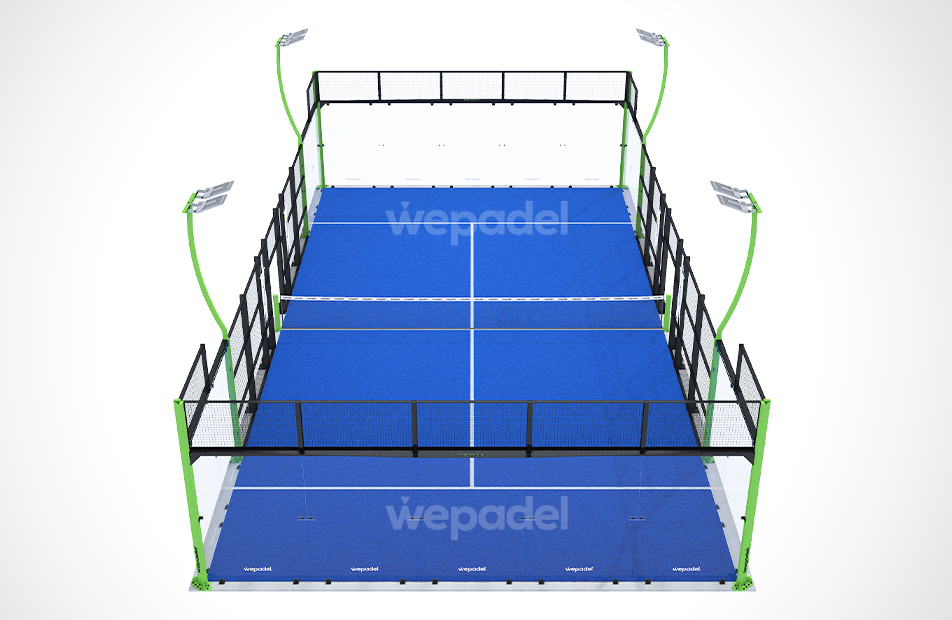
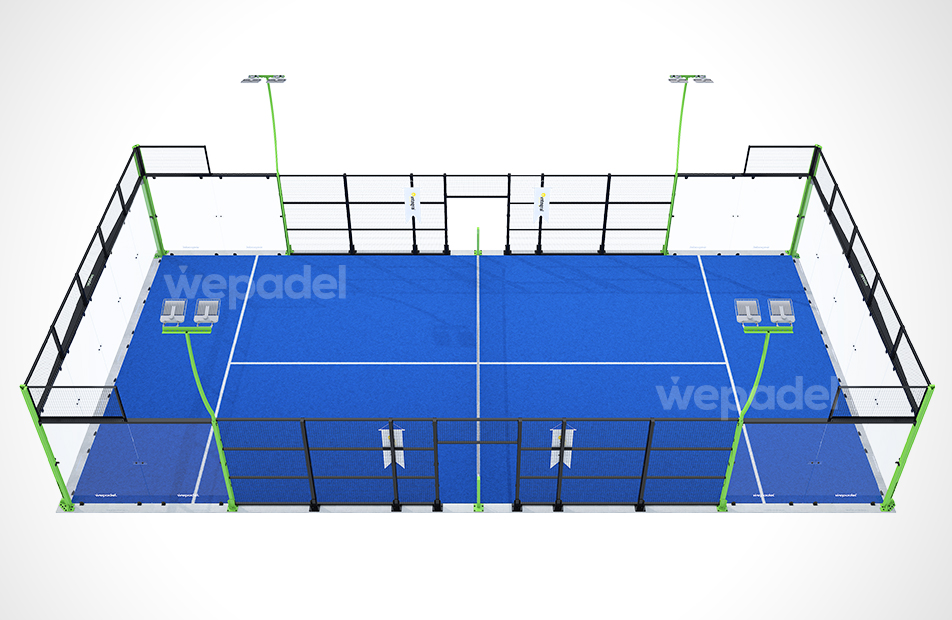
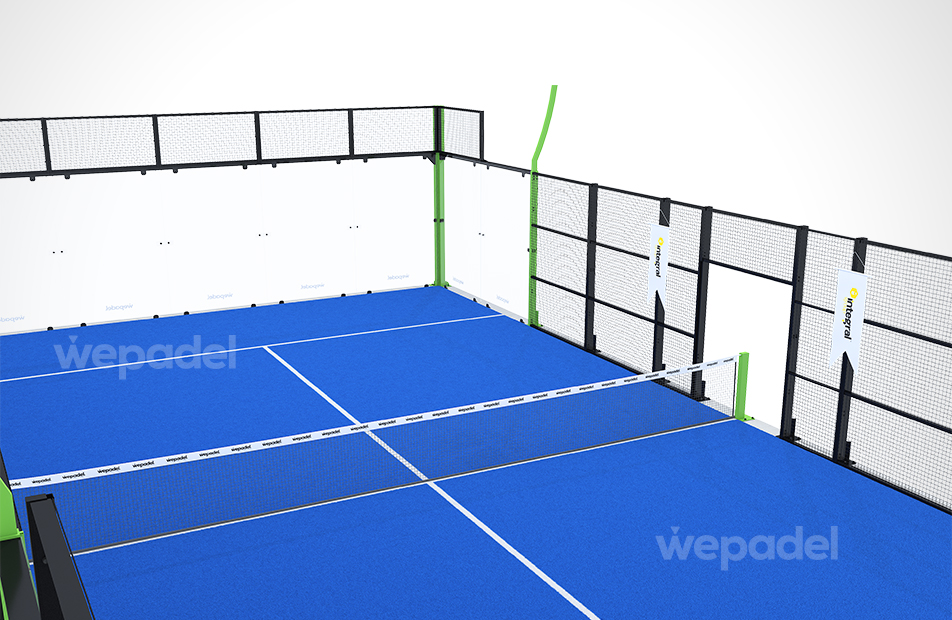
Padel Court Installation
From planning permissions to finishing touches, we handle the entire process with minimal disruption.
03
Community & Wellness
Bring the fastest growing racket sport to your community and promote active, social well-being.
Our Mission
At Ace Padel Clubs, we’re dedicated to making padel accessible across the UK through innovative partnerships that benefit everyone. Our vision is to transform underutilized spaces into vibrant padel hubs that enhance communities, promote active lifestyles, and generate sustainable revenue.
With our unique business model, we remove the barriers to entry by handling the entire process from design and installation to ongoing operations and marketing, allowing our partners to enjoy the benefits with minimal risk and investment.
We Work With
Tennis Clubs
Maximize your facility's potential with complementary courts
Councils & Local Authorities
Enhance community sport offerings with minimal investment
Leisure Entrepreneurs
Add a trending, profitable activity to your business portfolio
Services
Our streamlined process makes adding padel courts to your venue effortless and profitable.
Planning Process
Installation
Compliance
Promotion
How It Works
Padel Court Installation
We handle permitting, construction, and installation of premium padel courts at zero cost to you.
Provide Space
You provide suitable space for padel courts at your existing facility or available land.
Earn Lease + Revenue Share
Enjoy monthly rental payments plus a percentage of all booking revenues.
Provide Space
You provide suitable space for padel courts at your existing facility or available land.
We Install Courts
We handle permitting, construction, and installation of premium padel courts at zero cost to you.
Earn Lease + Revenue Share
Enjoy monthly rental payments plus a percentage of all booking revenues.
Predictable Income, Minimal Effort
Our booking system handles all reservations, payments, and customer service. You’ll receive detailed monthly reports and payments, with no operational responsibilities.
This section helps us understand your padel project clearly so we can provide accurate advice on feasibility, costs, planning considerations, and next steps.
What stage is your padel project at?
Q: Where are you currently with your project? A: Please select the option that best describes your position:
☐ Just an idea / early exploration ☐ Site identified, feasibility underway ☐ Proceeding and preparing for planning permission ☐ Planning approved, ready to build
Understanding your stage allows us to tailor guidance around risk, cost, and timelines.
Are you planning indoor or outdoor padel courts?
Q: Will the courts be indoor or outdoor? A:
Indoor courts typically face fewer objections related to noise and lighting but may require a change of use and careful consideration of traffic and parking.
Outdoor courts are more sensitive in planning terms, particularly near residential areas, and often require noise mitigation measures.
Is the site suitable for indoor padel courts?
(If indoor courts are proposed)
Q: Is the building suitable for padel? A: Key requirements include:
Flat, level floor
Suitable load-bearing capacity for courts and glass structures
Whether you’re a tennis club looking to diversify, a leisure entrepreneur seeking new opportunities, or a local council interested in enhancing community facilities, we’d love to hear from you.
Our team will guide you through every step of the process, from initial consultation to court installation and beyond.